
What marketing teams should consider before commissioning a corporate video?

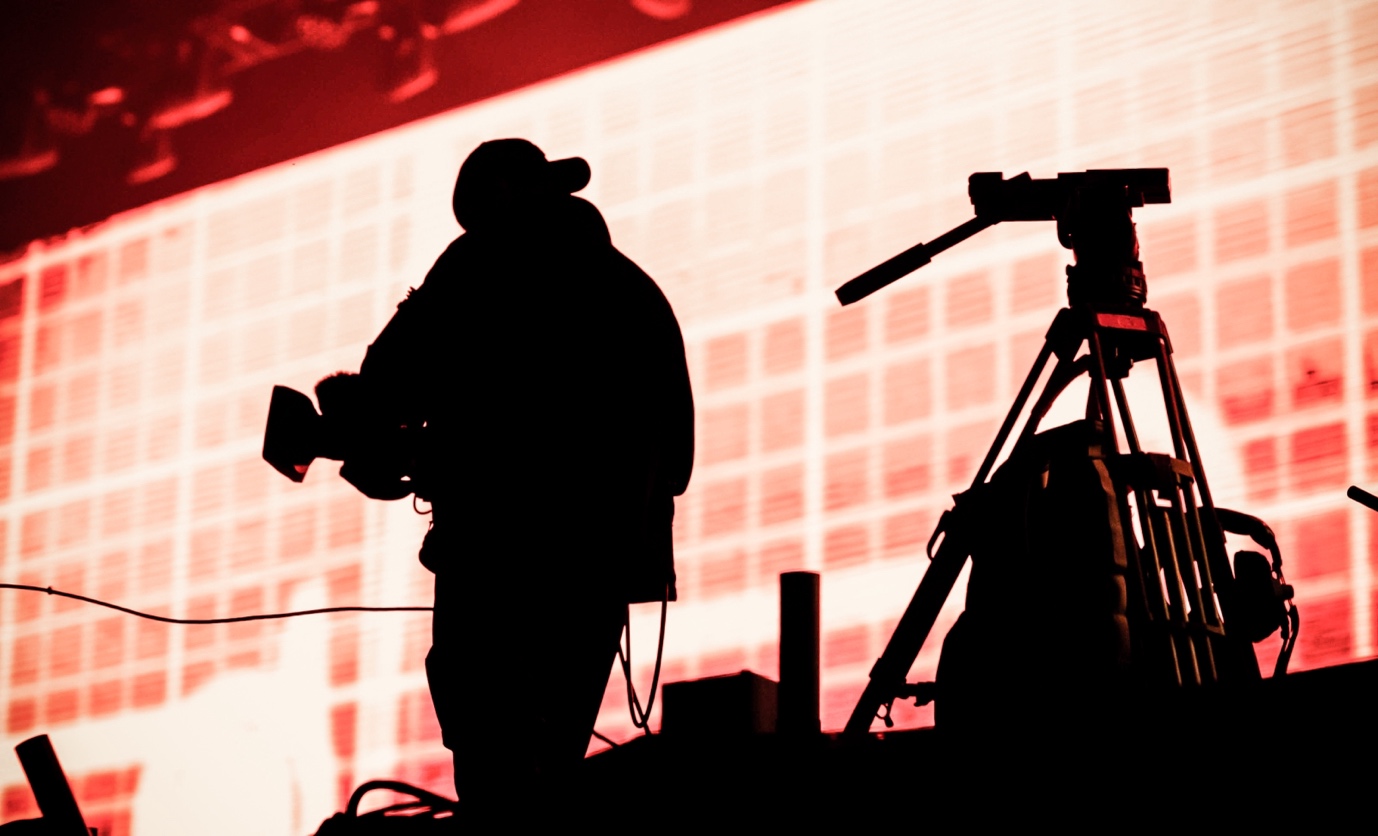
After years of working with communications and marketing teams across a wide range of sectors, Daniel Kennedy, Director of Manchester based Paper Films, has seen first-hand what makes a corporate film succeed and where projects can quietly unravel before filming even begins. Here he shares his tips to help you shape-up your film project.
So you want to make a corporate video?
Commissioning a corporate video can feel deceptively simple: pick a date, book a crew, get the CEO on camera, film “some office stuff”, add music, done.
In reality, the best corporate video production starts before anyone presses record because the biggest risks aren’t technical. They’re human: the wrong tone, the wrong voices, the wrong location, and colleagues who suddenly develop an urgent need to “just pop out for lunch”.
Start with the story, not the shots
Before you brief a video production company, ask one simple question:
What change do we create for customers?
Not “what do we do”, but what’s different because we exist? Are we Faster? Safer? Happier? Less stressful? More profitable? More inclusive?
That “difference” is your story spine. Everything else, office b-roll, talking heads, graphics should support it.
A useful follow-up:
- Who feels delivers that impact and who benefits most strongly from it?
Often it’s not leadership. It’s customers, frontline teams, partners, patients, learners—people with lived experience of your value.
Choose a tone people can actually trust
Tone is the invisible deal-breaker. If the video feels too polished, too corporate, or too “we’re delighted to announce…”, audiences switch off.
A few tone options that consistently land:
- Human + specific (real examples, real names, real moments)
- Confident, not loud (clarity beats hype)
- Warm, not goofy (friendly doesn’t mean forced fun)
Trust research keeps pointing in the same direction: audiences respond better to brands that feel like they genuinely understand the world people live in.
Music matters more than people think
Music isn’t decoration, it tells viewers what to feel.
Good commissioning questions:
- Do we want energy, calm, tension, optimism, authority, intimacy?
- Should it feel modern, classic, local, cinematic, raw?
- Are we using music to paper over something that isn’t emotionally working yet?
Also: if you’re putting anyone speaking on camera, make sure the music won’t fight the voice. (The fastest way to “corporate” a film is blasting a generic track over a real person trying to be sincere.)
People first: do they actually want to be in it?
This is the bit that gets skipped, and it always shows.
If you’ve been asked to film in an office, you’ve probably seen it:
the minute a camera arrives, people hide behind monitors or disappear for an “early lunch”.
That’s not “difficult colleagues”. It’s a normal reaction to feeling watched, unprepared, or unsure how the footage will be used.
What helps:
- Ask for volunteers, not nominations
- Give people context (what it’s for, where it will appear, what they’ll be asked)
- Offer opt-outs that are real, not awkward
- Share example videos so they know what “good” looks like
- Don’t treat anyone like background texture. They’re humans, not set dressing.
The CEO is not automatically the best spokesperson
Sometimes the CEO/MD is brilliant. Sometimes they’re busy, guarded, or camera-cold. And if you have to crowbar them in, you often pay for it in authenticity.
A more useful approach:
- Identify official spokespeople and believable voices
- Consider the people who are naturally: warm, clear, grounded, and trusted
- If leadership must appear, consider a short, focused cameo rather than carrying the whole film
(And yes there’s evidence trust in CEOs and “authority” can be fragile, so forcing a top-down message can backfire if it doesn’t feel real.)
Challenge the default: does it need to be filmed in an office?
This is one of the most important creative questions you raised.
Offices can be… fine. But they’re often visually bland and technically tricky:
- Hard overhead lighting that’s unflattering
- Automatic systems you can’t control
- Aircon noise (and other hums) that wreck sound
- Meeting rooms with echo, glass, and interruptions
And the biggest question: is the office actually part of the story?
If your story is about impact, outcomes, and people then a better location might be:
- where the work happens (factory, site, classroom, clinic, venue)
- where the outcome is felt (customer environment)
- somewhere quiet and characterful for interviews (a calm corner, a studio, a real-world location that says something)
Sound is half the film. If audio is compromised, the video feels “cheap” regardless of camera quality.
Plan for repurposing from day one
A smart corporate video production brief doesn’t ask for “one video”. It asks for a content pack.
Before filming, agree what you’ll need:
- a hero film (the main story)
- short cutdowns for social (10–30 seconds)
- mid-length versions (60–120 seconds)
- vertical edits for mobile
- pull quotes, stills, BTS, soundbites for LinkedIn
This saves time and budget because you’re capturing coverage with purpose.
Short vs long: don’t assume everyone only wants 20 seconds
Yes, short-form is powerful especially for attention and reach.
But there’s also growing evidence that audiences (including Gen Z) will watch longer-form video when it’s relevant and genuinely engaging. eMarketer reported that over half of Gen Z watch long-form video on social media (alongside even higher short-form viewing).
And Wistia’s reporting shows that longer content can hold attention better than people expect when it delivers value.
A practical strategy we like:
- Use short social cuts to open the door
- Use the longer film to build belief
- The longer someone stays with your story, the more the relationship strengthens
A commissioning checklist you can steal
Story
- What impact do we have on customers and how do we prove it?
- What’s one real example we can anchor the film around?
People
- Who wants to be in it?
- Who is most believable, warm, and clear?
- Do we really need the CEO on camera?
Tone + music
- What should it feel like?
- What should viewers do or think after watching?
Location
- Is the office necessary or just convenient?
- Can we control sound and lighting where we plan to film?
Deliverables
- What versions do we need (hero + cutdowns + vertical)?
- Where will each version live (LinkedIn, website, sales decks, internal)?
About Us
Based in Manchester, Daniel and the Paper Films team specialise in corporate video production that prioritises people, story, and authenticity over polish for polish’s sake.
Time and again, the strongest films are not the ones with the biggest budgets or the busiest scripts, but the ones that ask the right questions early.
Get in contact if you would like a template video production brief for your next project.
Ready to tell your story?
Discover how we have helped our clients tell their stories and achieve their goals.
